Polycystic ovary syndrome can affect menstruation, ovulation, skin, hair, weight, fertility, and metabolic health. Because symptoms vary considerably between individuals, Ayurvedic treatment for PCOS is generally more meaningful when it is based on the person's complete health profile rather than a single symptom.
Women in Katraj, Maharashtra, exploring complementary approaches to PCOS management should first understand that PCOS is a complex hormonal and metabolic condition requiring appropriate diagnosis and ongoing monitoring.
PCOS Can Present Differently
One person may primarily experience irregular periods, while another may be concerned about weight gain, acne, unwanted facial hair, difficulty conceiving, or a combination of symptoms.
Common concerns include:
- Delayed or missed periods
- Unpredictable menstrual cycles
- Acne
- Excess facial or body hair
- Weight-management difficulties
- Hair thinning
- Problems with ovulation
- Fertility concerns
Because these symptoms can overlap with other conditions, medical evaluation is important before beginning treatment.
How Ayurveda Approaches the Condition
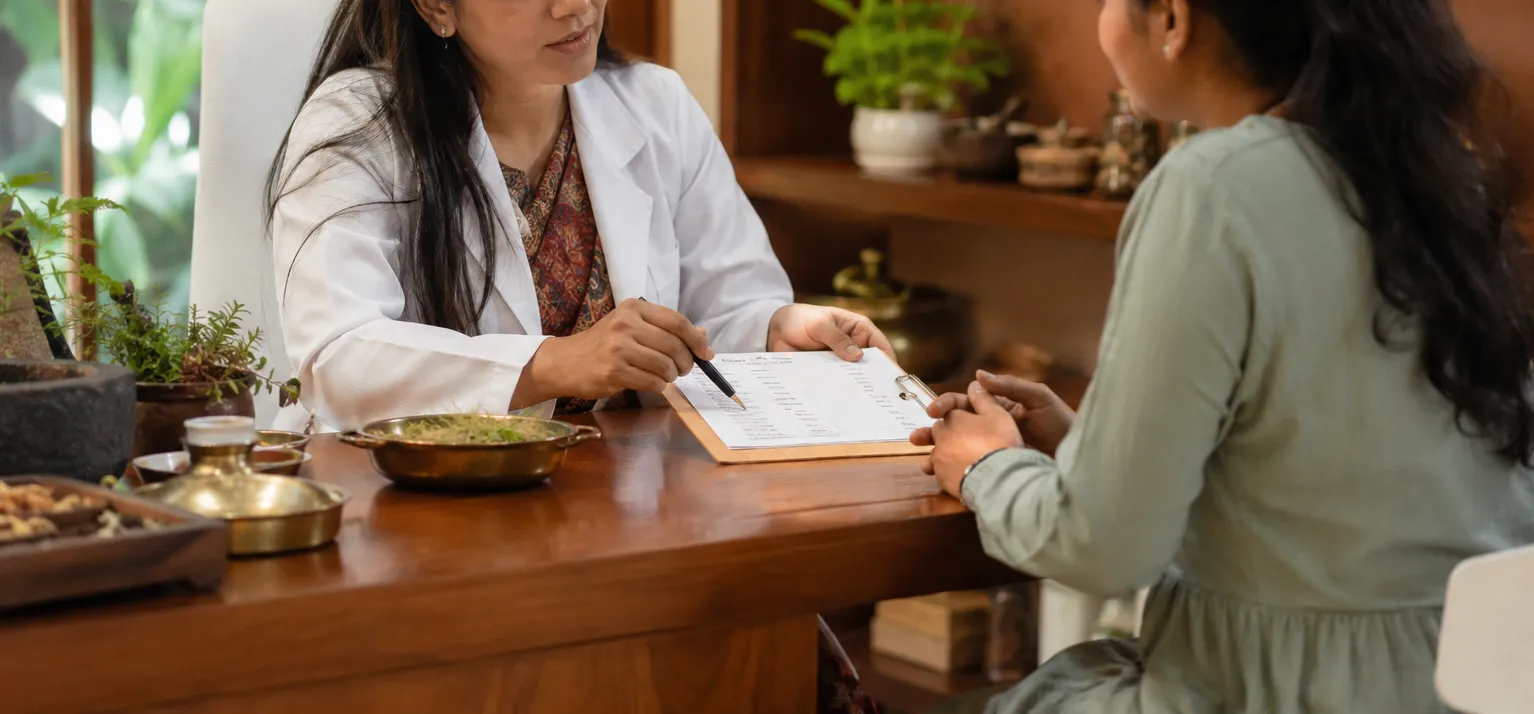
Ayurvedic care is individualised. A practitioner may assess digestion, appetite, sleep, bowel habits, menstrual history, physical activity, body constitution, stress, and existing medical findings.
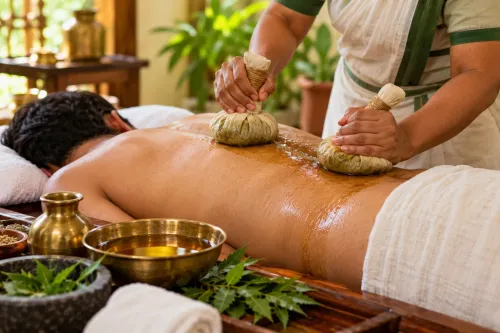
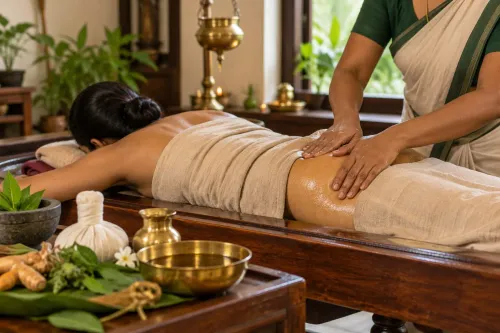
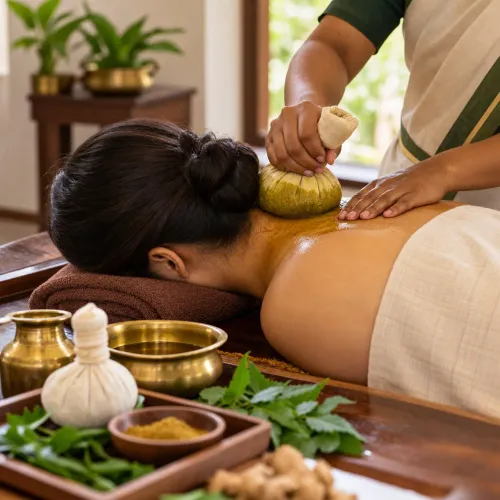
Treatment may include personalised food recommendations, lifestyle changes, Ayurvedic medicines where clinically appropriate, and selected therapies based on the assessment.
The aim is to support overall health and symptom management rather than promising a universal cure.
Lifestyle Changes Are an Important Part of Care
Regular physical activity and appropriate nutrition can be particularly relevant for women who also have metabolic concerns.
Practical changes may include:
- Establishing consistent meal timings
- Choosing balanced meals
- Reducing excessive refined and highly processed foods
- Maintaining regular physical activity
- Improving sleep routines
- Managing prolonged stress
- Tracking menstrual cycles
Changes should be realistic enough to become part of everyday life.
When Further Investigation Matters
Irregular periods should not automatically be assumed to be PCOS. Thyroid disorders, elevated prolactin, pregnancy, certain medications, and other hormonal conditions may produce similar changes.
Women experiencing prolonged absence of periods, very heavy bleeding, severe pelvic pain, or fertility difficulties should seek appropriate medical assessment.
An Ayurvedic physician can also review existing reports and determine how Ayurvedic care may fit alongside conventional management.
At Marma Ayurved And Panchkarma Clinic, PCOS care can begin with an individual consultation rather than a standardised therapy package.
For women in Katraj, understanding the full pattern behind PCOS symptoms can make treatment decisions more informed. Ayurveda can form part of a broader management strategy when recommendations are personalised and clinically appropriate.
Keywords