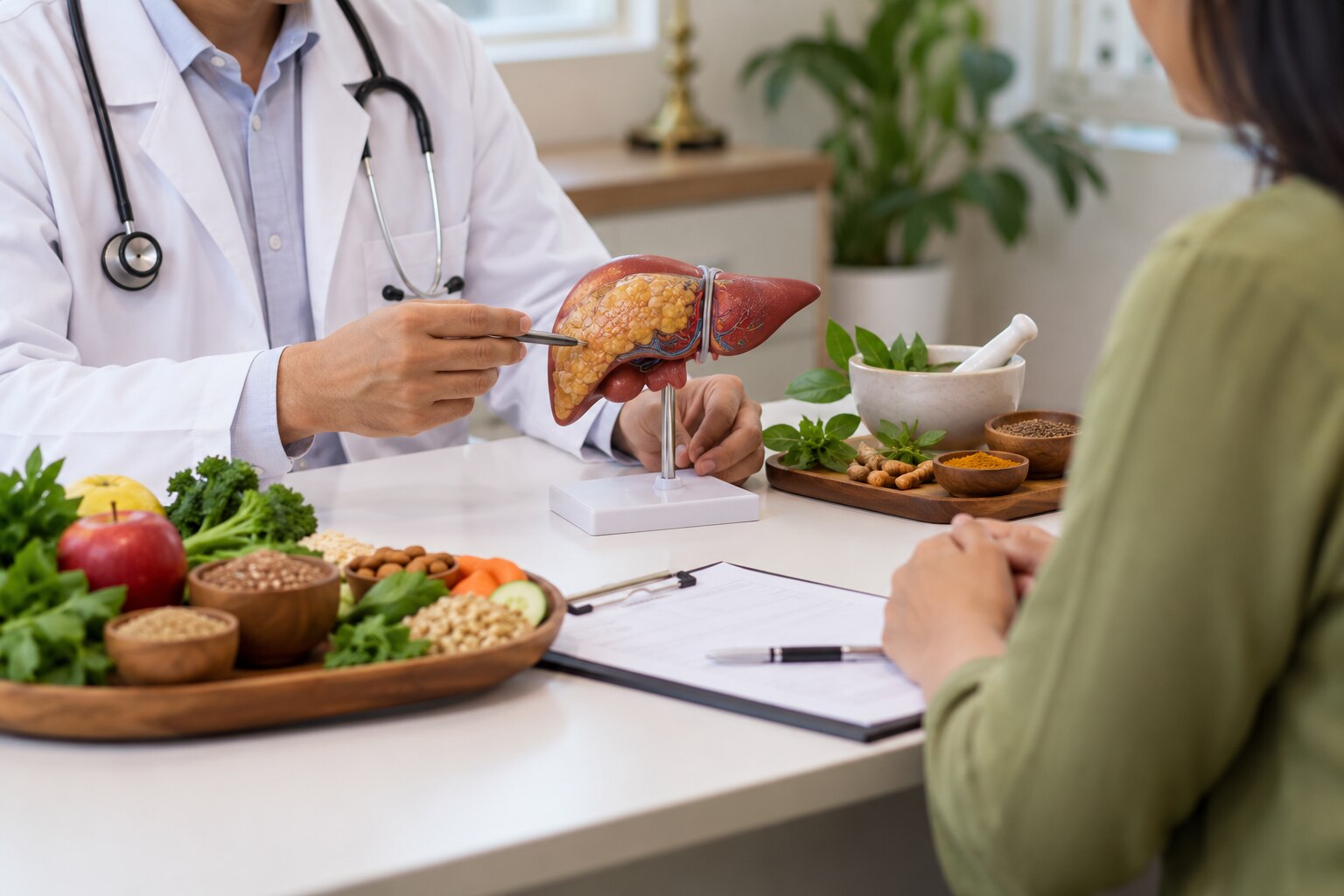
Fatty liver can range from a reversible buildup of liver fat to inflammation and fibrosis, and symptoms alone cannot show where you stand. You will learn how to confirm the condition, build meals and routines that reduce metabolic risk, and evaluate Ayurvedic support without delaying proven medical care.
Key takeaways
- Ask your doctor how fibrosis stage was assessed, not just whether fat is present.
- Build meals around vegetables, protein, whole grains and fewer sugary drinks.
- Aim for gradual weight loss and regular movement instead of a detox diet.
- Coordinate Ayurvedic therapies with liver tests, medicines and specialist advice.
What fatty liver means—and how doctors confirm its severity
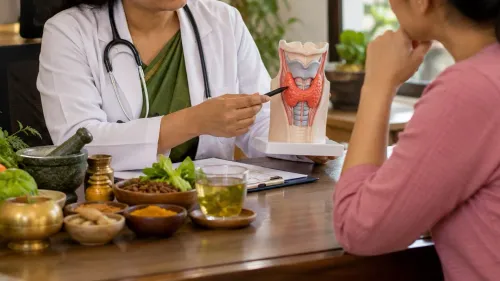
Fatty liver means excess fat stored in liver cells. Fat alone does not prove inflammation or scarring: fibrosis is scar tissue, while cirrhosis is advanced fibrosis that can impair liver function. Fibrosis stage is the key predictor of liver-related outcomes and drives fibrosis and cirrhosis risk assessment.
| Condition | What it means |
|---|---|
| MASLD | Liver fat linked to metabolic risk such as obesity, diabetes, high triglycerides or high blood pressure, without harmful alcohol intake |
| Alcohol-related liver disease | Liver injury caused by alcohol; alcohol and metabolic risks can worsen each other |
| Steatohepatitis | Fatty liver with inflammation and liver-cell injury; it can progress to fibrosis |
| Fibrosis and cirrhosis | Scarring that ranges from early fibrosis to advanced cirrhosis |
Ultrasound can detect moderate or marked steatosis, but it can miss mild fat and cannot reliably stage fibrosis. A normal scan does not rule out important disease. Doctors also review ALT, AST, platelet count, lipid profile, blood glucose or HbA1c, and calculate FIB-4 from age, AST, ALT and platelets.
A low or high result guides whether elastography or another non-invasive test is needed. Normal or mildly raised enzymes do not exclude significant disease.
Seek urgent medical assessment for:
- Jaundice, abdominal swelling, vomiting blood or black stools
- Confusion, severe right-upper-abdominal pain or unexplained weight loss
Build a liver-friendly plate without chasing a detox diet
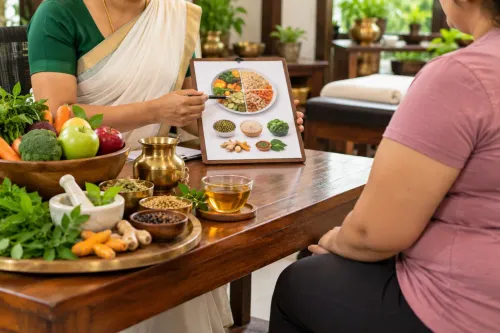
Use the plate method for a fatty liver diet: fill about half with non-starchy vegetables, one-quarter with protein, and one-quarter with whole grains or other high-fibre carbohydrates. This Mediterranean-style pattern includes legumes, nuts, fish, unsaturated oils and minimally processed foods, without relying on a detox diet.
Choose protein from dal, beans, tofu, eggs, fish, skinless poultry or unsweetened curd. Aim for a fibre target of roughly 25–30 grams daily when tolerated; increase gradually and drink enough water. Choose one small-to-medium whole fruit at a time rather than drinking its juice, because whole fruit provides fibre and requires chewing.
Make these swaps consistently:
- Choose water or unsweetened drinks instead of soda, other sugar-sweetened beverages and fruit juice.
- Eat whole fruit instead of juice.
- Choose brown rice, oats or whole-wheat roti instead of white rice, maida-based foods and other refined carbohydrates.
- Choose baked, steamed or grilled food instead of fried food.
- Use smaller amounts of ghee and butter, replacing some with unsaturated oils such as mustard, groundnut, sesame or olive oil.
- Eat less red meat and avoid processed meat such as sausages and bacon.
Alcohol is not a treatment; avoid it, especially with significant fibrosis or cirrhosis. Coffee is optional: if you tolerate it, observational studies associate roughly three or more cups daily with lower liver risk, but coffee is not a cure.
Use steady weight loss and movement to reduce liver fat
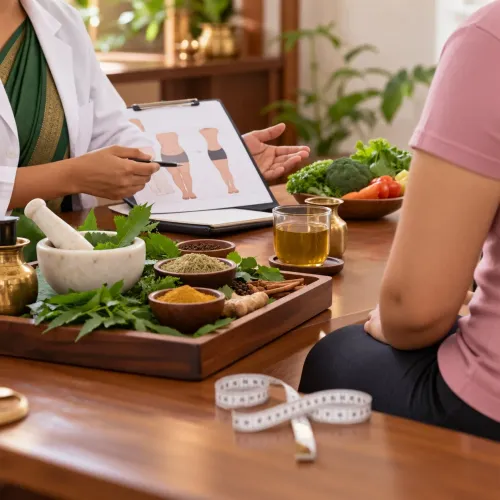
Losing 3–5% of your body weight can reduce liver fat; reaching about 7–10% is generally needed to improve steatohepatitis and fibrosis. Aim for a safe weight-loss pace through a sustainable calorie deficit, not rapid restriction. Crash dieting and fasting, prolonged fasting, and unsupervised detoxes can cause nutritional deficiencies, reduce muscle and make long-term adherence harder.
| Goal | Practical target | Expected benefit |
|---|---|---|
| Liver fat | Lose at least 3–5% of body weight | Reduces liver fat |
| Steatohepatitis and fibrosis | Lose about 7–10% of body weight | Supports improvement in inflammation and scarring |
| Aerobic activity | At least 150 minutes exercise weekly, or 75 minutes of vigorous activity | Improves liver fat and cardiometabolic health |
| Muscle work | Resistance training on feasible days | Supports muscle, strength and glucose control |
If you are sedentary, begin with 10-minute walks and add walking after meals. Increase duration gradually until you reach the weekly target. Stand or move for a few minutes after every 30–60 minutes of sitting. Exercise can improve liver fat, blood pressure, insulin sensitivity and cholesterol even when your weight does not change.
Stop for chest pain, faintness or severe breathlessness and seek medical advice.
Make sleep, meal timing and metabolic care part of the routine
Aim for 7–9 hours of sleep each night. Poor sleep and fatty liver often travel with sleep apnoea, so loud snoring, witnessed pauses in breathing or severe daytime sleepiness deserve medical review.
Keep meal timing regular rather than grazing late at night or compensating with crash diets. Drink water according to thirst and your medical needs; follow a clinician’s fluid advice if you have heart, kidney or liver complications. Avoid alcohol, and stand or walk for a few minutes after every 30–60 minutes of sitting.
Fatty liver management must include diabetes or prediabetes, high triglycerides, cholesterol and blood pressure management, along with smoking cessation, central-obesity treatment and sleep-apnoea assessment. Cardiovascular disease is often the greater preventable threat, so protecting your heart deserves equal attention to protecting your liver.
Do not stop prescribed medicines because of fatty liver fears. Statins are generally considered safe when indicated for cardiovascular risk; ask your clinician to review medicines and supplements instead. Arrange medical review when these risk factors are present, even without symptoms.
Use this weekly check-in:
- Record alcoholic and non-alcoholic drinks, meal timing and unusual snacks.
- Note walking days, minutes of activity and resistance-training sessions.
- Record bedtime, waking time and total sleep.
- Take the record to your clinician, who can adjust diabetes, lipid, blood-pressure or sleep-apnoea care.
Choose Ayurvedic support with safety checks and medical coordination
Ayurvedic support for fatty liver fits best as personalised coaching alongside laboratory evaluation and prescribed care. A practitioner can review your meals, routine, digestion, sleep, activity and barriers to adherence, then suggest complementary practices that help you follow an evidence-based plan.
No uniquely Ayurvedic food plan has strong evidence for reversing fatty liver independently of calorie balance and metabolic risk reduction. Panchakarma or detox regimens have limited high-quality evidence for reducing liver fat or reversing fibrosis; delaying metabolic treatment or fibrosis assessment creates real risk.
| Approach | What the evidence supports | Safety boundary |
|---|---|---|
| Personalised diet and routine review | Better adherence to calorie control, movement and metabolic care | Keep weight, glucose, lipids and liver tests under medical review |
| Panchakarma plan | Complementary support, not proven removal of liver fat or fibrosis reversal | Discuss Panchakarma safety with your physician before treatment |
| Herbs, powders or tablets | No automatic guarantee of liver safety | Check identity, dose, interactions and contamination before use |
Share every herb, proprietary powder, tablet and Panchakarma plan with your treating physician, especially before a multi-herb protocol or if liver enzymes rise. Some products contain lead, mercury or arsenic in Ayurvedic products; transparent labels and independent testing reduce but do not eliminate risk. Stop neither statins nor other prescribed medicines yourself.
Review them instead, because unproven products can cause herbal liver injury.
In Pune, Marma Ayurved And Panchkarma Clinic could contribute coordinated, personalised guidance when its recommendations remain tied to laboratory results and prescribed treatment. Seek prompt medical assessment for jaundice, abdominal swelling, vomiting blood, black stools, confusion, severe right-upper-abdominal pain, unexplained weight loss or a high fibrosis-risk result.
Frequently asked questions
What is the difference between fatty liver, fibrosis and cirrhosis?
Fatty liver is excess fat in liver cells. Fibrosis is scar tissue, while cirrhosis is advanced fibrosis that can impair liver function. Fibrosis stage is central to risk assessment.
What should you eat when managing fatty liver?
Build meals around vegetables, protein and high-fibre whole grains. Reduce sugary drinks, excess refined carbohydrates and heavily processed foods instead of relying on a detox diet.
Can weight loss and exercise reduce liver fat?
Steady weight loss and regular movement can help reduce liver fat and improve metabolic health. Choose a sustainable routine rather than rapid restriction.
How should you choose Ayurvedic support for fatty liver?
Discuss Ayurvedic treatment with your doctor and Ayurvedic practitioner together. Review medicines, liver tests, proposed herbs or therapies, product quality and possible interactions before starting.