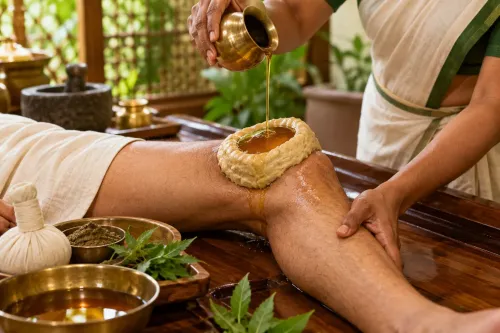
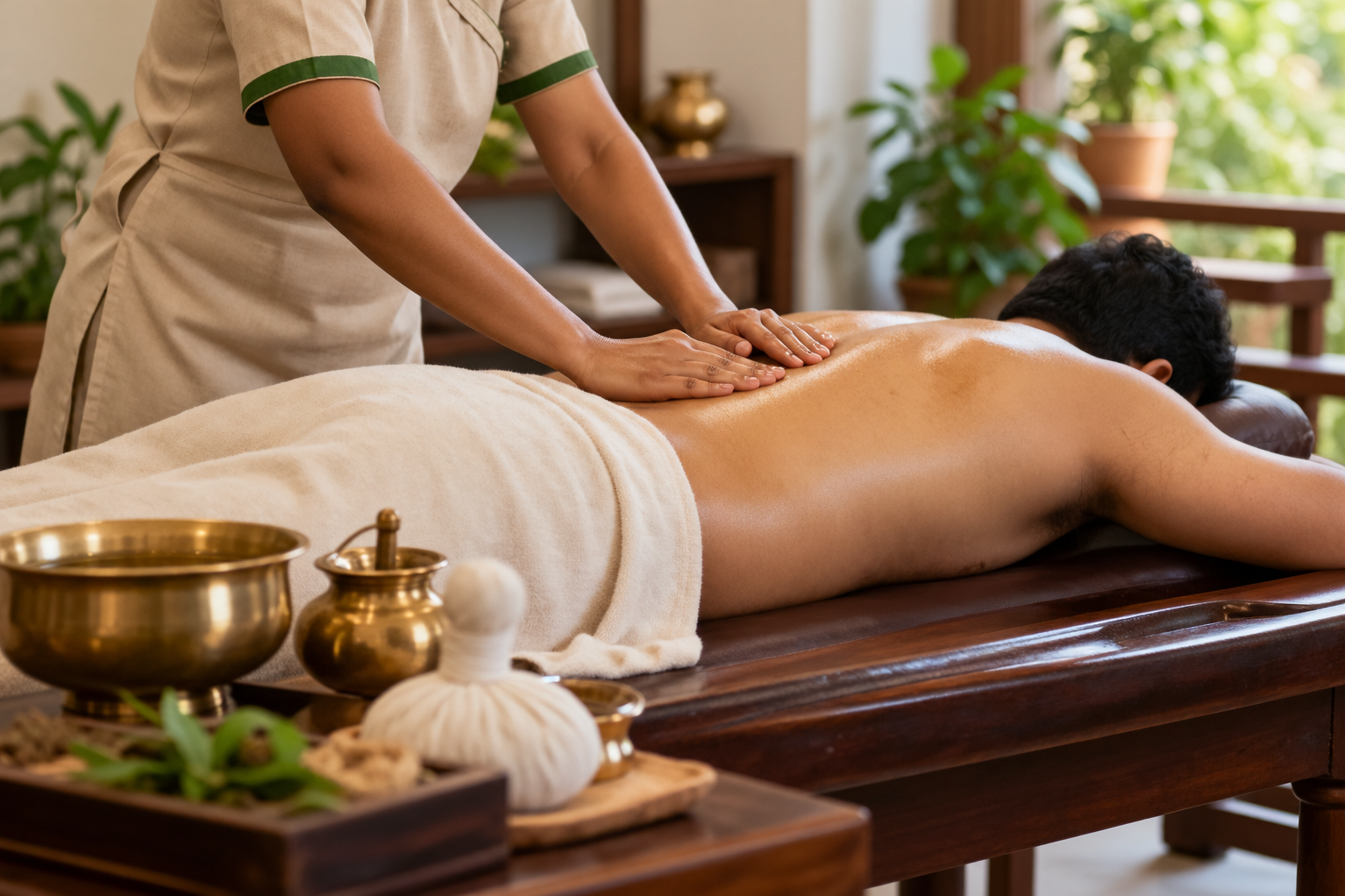
Persistent back or neck discomfort can interfere with sitting, working, sleeping, travelling, and exercise. When symptoms continue despite routine self-care, some people begin exploring Ayurvedic treatment for Spine Care as part of a broader management strategy.
For individuals in Narhe, Maharashtra, the important question is not simply whether Ayurveda can be used, but whether symptoms have been properly assessed and whether Ayurvedic care is appropriate for the underlying condition.
You Have Recurring Mechanical Back Discomfort
Muscular strain, prolonged sitting, poor workstation ergonomics, reduced physical conditioning, and repetitive activities can contribute to recurring back discomfort.
In suitable cases, Ayurvedic management may include individualised therapies, lifestyle guidance, exercise recommendations, dietary advice, and Ayurvedic medicines where appropriate.
Treatment should be selected after assessment rather than based solely on the location of pain.
Your Daily Routine Is Contributing to the Problem
People who spend long periods sitting at computers, driving, lifting, or working in fixed positions may experience recurring stiffness and discomfort.
A useful treatment plan should therefore address everyday contributors.
This may include reviewing:
- Sitting posture
- Workstation setup
- Frequency of movement breaks
- Lifting habits
- Sleep routines
- Physical activity
- Previous injuries
- Exercise technique
Therapy without correcting recurring mechanical stress may provide only limited benefit.
You Want a More Comprehensive Management Plan
Some patients seek Ayurvedic care because they want treatment to include lifestyle and daily routine considerations rather than relying entirely on short-term symptom relief.
Marma Ayurved And Panchkarma Clinic can evaluate whether Ayurvedic therapies are suitable based on the individual's symptoms and overall health.
Where appropriate, treatment may be coordinated with physiotherapy, orthopaedic evaluation, imaging, or other medical care.
Know the Warning Signs
Not every episode of spinal pain should be treated conservatively.
Urgent medical evaluation is important for symptoms such as new bladder or bowel dysfunction, numbness around the groin or saddle region, rapidly progressing weakness, significant trauma, fever with severe back pain, or other concerning neurological symptoms.
Persistent pain accompanied by unexplained weight loss or a history of serious illness also warrants medical assessment.
Choose Assessment Before Treatment
A provider should ask about symptom duration, pain location, radiation into the arms or legs, numbness, weakness, previous injuries, medical conditions, and existing investigations before recommending therapy.
For residents of Narhe, Ayurvedic spine care may be worth discussing when treatment is personalised and appropriately integrated with diagnostic care. The safest approach is one that understands the reason for the symptoms first and then selects therapies according to the individual's condition rather than treating every backache in the same way.
Keywords