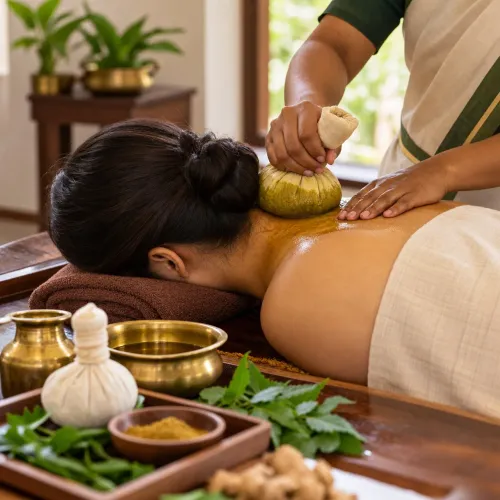
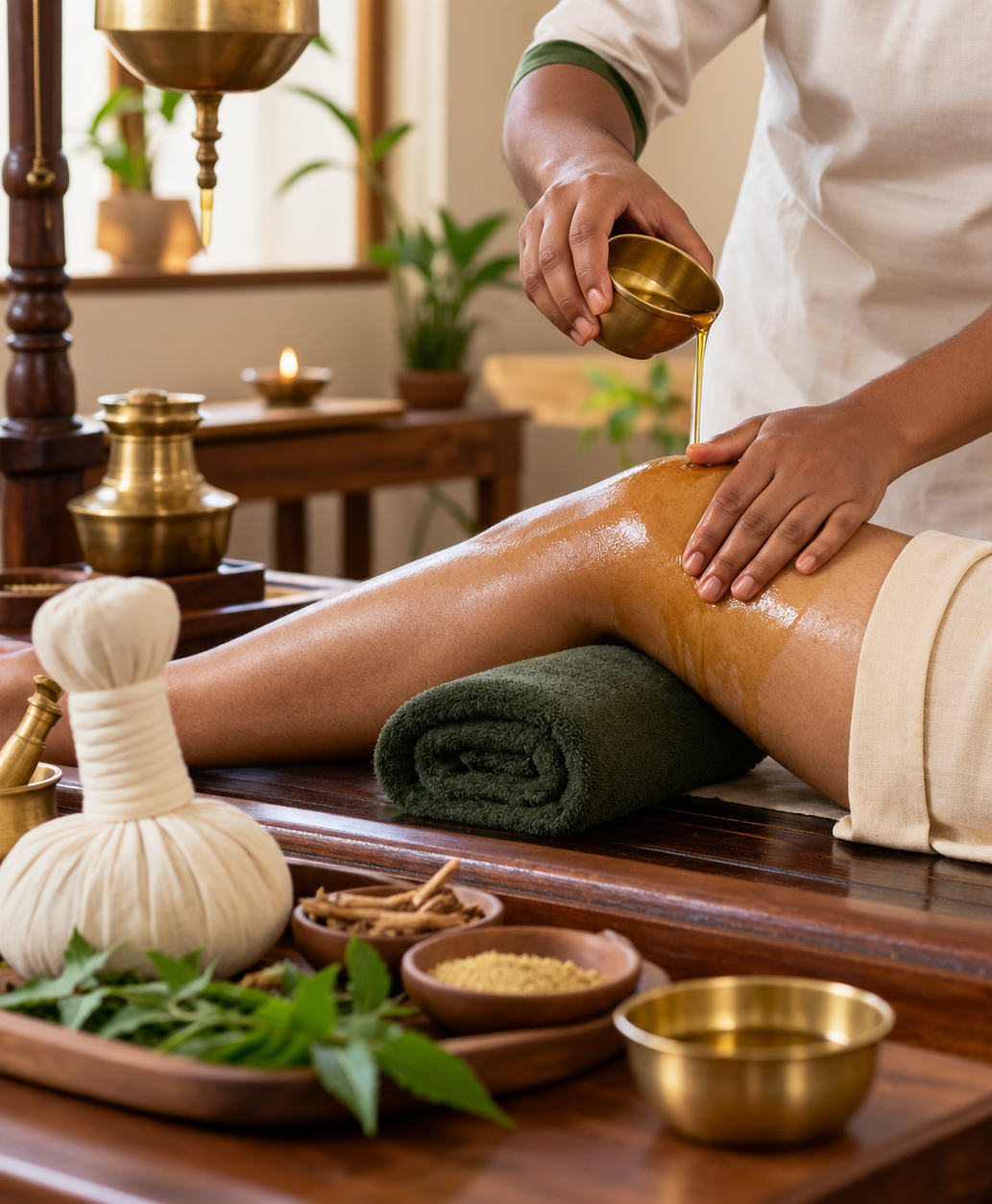
Arthritis is a broad term covering many conditions that affect joints. Knee pain caused by osteoarthritis is different from inflammatory arthritis, gout, or pain resulting from an injury. This distinction matters when considering Ayurvedic treatment for Arthritis, because the treatment approach should be guided by the type and severity of the problem.
For people in Dhayari, Maharashtra, choosing appropriate care begins with understanding the symptoms rather than assuming all joint pain has the same cause.
Identify the Pattern of Joint Symptoms
Pay attention to how the problem behaves.
Useful details include:
- Which joints are affected
- Whether one or multiple joints hurt
- Duration of morning stiffness
- Presence of swelling
- Warmth or redness
- Whether movement improves or worsens symptoms
- Previous injuries
- How long symptoms have been present
These details can help healthcare professionals decide whether further tests are necessary.
Understand the Importance of Diagnosis
Osteoarthritis typically involves gradual changes within joints and is common in weight-bearing areas such as the knees and hips.
Inflammatory conditions can behave differently and may require specialist evaluation and disease-modifying medical treatment. Gout, infections, and injuries require their own management strategies.
Ayurvedic care should therefore complement appropriate diagnosis rather than replace it.
Ask How Treatment Will Be Personalised
An Ayurvedic practitioner may consider constitution, digestion, age, body weight, physical activity, affected joints, symptom characteristics, and associated health conditions.
Depending on the assessment, care may involve:
- Dietary recommendations
- Lifestyle modification
- Ayurvedic medicines
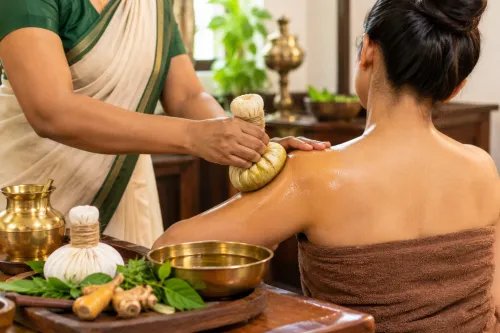
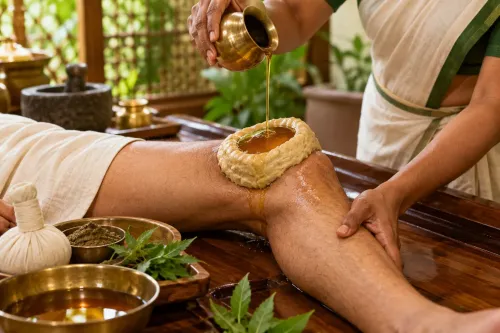
- External applications
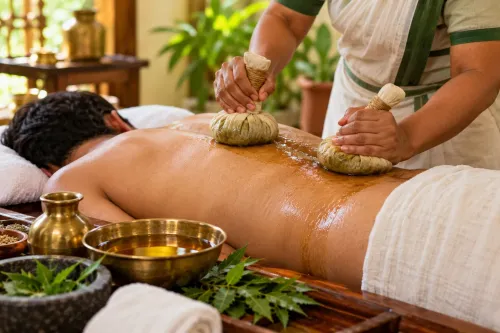
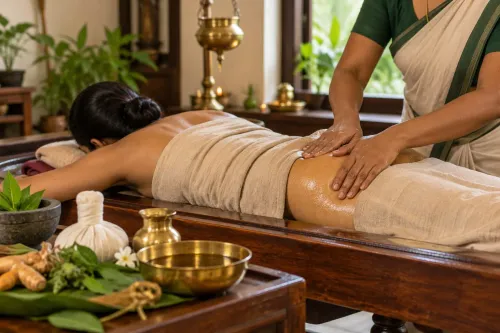
- Oil-based therapies
- Selected Panchakarma procedures
- Advice on suitable movement and activity
Not every therapy is appropriate for every type or stage of arthritis.
Evaluate the Entire Management Plan
Joint health often benefits from more than medication.
For osteoarthritis, appropriate exercise can help preserve mobility and muscular support. Weight management may reduce mechanical stress on weight-bearing joints where relevant. Physiotherapy may also form an important part of treatment.
A good provider should be comfortable recommending additional evaluation when symptoms suggest that it is necessary.
Know When to Seek Prompt Medical Care
A suddenly swollen, hot, intensely painful joint—particularly when accompanied by fever—requires prompt medical assessment. New severe symptoms after trauma should also be evaluated.
At Marma Ayurved And Panchkarma Clinic, people seeking Ayurvedic joint care can be assessed before therapies are recommended.
For residents of Dhayari, the right approach to arthritis starts with identifying what is actually affecting the joint. Personalised Ayurvedic care, sensible movement, lifestyle management, and appropriate conventional evaluation can then be considered together to support mobility and day-to-day function.
Keywords