
A holistic Ayurvedic plan is more than choosing an oil, herb, or cleansing package for one complaint. You will learn how to assess a practitioner’s approach, build practical weekly habits, check safety against your medical history, and decide whether a therapy such as Panchakarma fits your needs.
Key takeaways
- Bring your symptoms, medicines, sleep pattern, diet, and health history to the consultation.
- Start with one or two manageable routines instead of changing your entire week at once.
- Check the medicine label, batch number, ingredients, dosage, and practitioner guidance before use.
- Choose Panchakarma only after assessing your health, schedule, preparation, and recovery support.
What a Holistic Ayurvedic Wellness Plan Actually Includes
A holistic wellness approach treats health as a connected pattern, not a single complaint. Ayurvedic care may combine an Ayurvedic assessment with food choices, sleep, movement, daily routines, mental wellbeing, medicines, and hands-on therapies. The aim is to create practical habits that support energy, digestion, recovery, and resilience.
A plan may combine:
- An Ayurvedic assessment covering health history, constitution, symptoms, digestion, elimination, sleep, stress, and physical findings
- Diet and digestion in Ayurveda, including meal quality, timing, appetite, hydration, and tolerance of particular foods
- Daily routines for waking, eating, work, rest, and sleep
- Movement, breathing exercises, meditation, or other stress-management practices
- Ayurvedic treatment such as oils, massage, herbal preparations, or condition-focused therapies
- Follow-up checks that adjust the plan when symptoms, energy, digestion, or sleep change
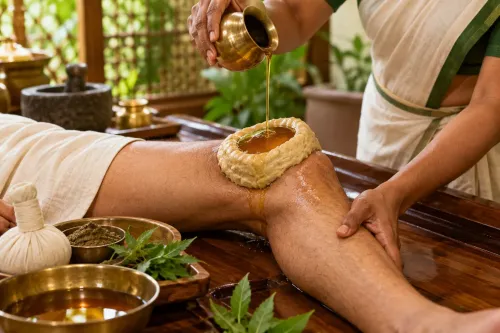
Panchakarma is not automatically part of this approach. In classical practice, it refers to five cleansing procedures; modern clinics may use the word for a narrower package of preparation, oil therapies, diet, and cleansing. A practitioner should explain which procedures are proposed and why.
Doshas, ama, and constitutional imbalance are traditional Ayurvedic frameworks, not biomedical diagnoses or laboratory findings. Use an Ayurvedic plan as supportive care, and keep medical evaluation and prescribed treatment for serious or persistent symptoms. Product quality also matters: herbal, mineral, and metal-containing preparations carry different risks, and “natural” does not guarantee safety.
What Happens During an Ayurvedic Consultation
An Ayurvedic consultation turns your health history into a treatment plan by connecting symptoms with digestion, sleep, stress, daily routine, medicines, and personal goals. It should begin with conventional medical details, not only questions about dosha or constitution.
- The practitioner records diagnoses, allergies, pregnancy status, surgeries, family history, prescription medicines, over-the-counter drugs, and supplements. This step can reveal interactions or a condition requiring medical care.
- You describe when symptoms began, what worsens or relieves them, appetite, bowel movements, urination, food patterns, energy, and the sleep and digestion review findings. Mention fasting, recent weight change, and any restrictive diet.
- The practitioner assesses stress, mood, work demands, movement, and recovery. A pulse examination and other physical observations may add context, but they cannot replace blood tests, scans, or a conventional diagnosis when those are needed.
- You agree on a practical goal, such as steadier sleep or improved meal regularity. The plan may combine food changes, daily routines, movement, breathing, herbs, or therapies, with clear doses, duration, follow-up, and stopping instructions.
Ask why each recommendation is included, what evidence supports it, and which prescribed treatments must continue. Avoid a plan built around repeated purging, severe fasting, or a multi-herb regimen without medication review. Seek urgent medical care for chest pain, severe breathlessness, confusion, fainting, or rapidly worsening symptoms.
How to Turn Ayurvedic Principles into a Normal Week
Choose a few repeatable habits, not an extreme cleanse. A useful Ayurvedic daily routine can fit around work, family, medication, and social plans: regular meals, steady sleep, gentle movement, and brief pauses to settle your mind.
1. Set meal timing before choosing complicated recipes. Eat breakfast, lunch, and dinner at roughly consistent hours, with lunch as your largest meal if that suits your appetite and medical needs. Build an Ayurvedic diet around vegetables, pulses, whole grains, fruit, and adequate protein rather than severe restriction.
2. Keep water available and drink regularly. Use thirst, heat, exercise, and medical advice to guide the amount; do not force several litres or replace meals with fluids.
3. Protect a sleep schedule Ayurveda considers supportive: wake and go to bed at similar times, dim screens during the last hour, and finish heavy meals at least two to three hours before bed. A regular bedtime helps more than occasional catch-up sleep.
4. Move for 20 to 30 minutes on most days. Walk, stretch, practise yoga, or choose another activity you can repeat without pain. Add five minutes of slow breathing after work to mark the transition into evening.
5. Review the week on Sunday. Note digestion, energy, sleep, stress, and symptoms, then change one habit. Stop restrictive fasting or repeated purging, and seek medical advice for persistent or worsening symptoms.
How to Check Safety Before Taking Ayurvedic Medicines
Treat supportive wellness care as an addition to medical treatment, not a replacement for diagnosis or prescribed therapy. Adequate food, sleep, movement, stress management, and carefully selected Ayurveda may support wellbeing; restrictive fasting, repeated purgation, or stopping medicine can worsen serious disease.
1. Write down every prescription, over-the-counter medicine, vitamin, and supplement before consultation. Ask specifically about herb and drug interactions, including sedation, blood-pressure changes, low blood glucose, bleeding risk, altered drug metabolism, and liver injury. Review this list before a multi-herb regimen or Panchakarma.
2. Check Ayurvedic practitioner qualifications before treatment. Ask about formal training, clinical experience with your condition, examination findings, treatment goals, and coordination with your physician. A practitioner should welcome questions and should not promise a cure or tell you to abandon essential care.
3. Inspect the product before taking it. Choose a sealed pack with the full ingredient list, dose, manufacturer, batch number, expiry date, and contact details. “Herbal” labeling does not prove safety: some products contain lead, mercury, or arsenic, and heavy metals in Ayurvedic medicines can cause abdominal pain, constipation, fatigue, anaemia, or neurological symptoms.
4. Stop and seek medical advice for unexplained symptoms, worsening disease, allergic reactions, severe vomiting, confusion, breathing difficulty, or fainting. Tell the doctor every Ayurvedic product you use; heavy-metal exposure can be missed when supplement use is not disclosed.
Evidence differs sharply between a simple dietary routine, a botanical mixture, and a mineral or metal-containing preparation. Treat each as a separate decision, with its own ingredient, dose, quality, and evidence review.
When Panchakarma Fits—and When It Adds Too Much Work or Risk
Choose Panchakarma only when it has a defined purpose, a qualified practitioner has reviewed your medical history, and you can complete the preparation, procedures, and follow-up without abandoning essential medical care.
It does not belong in a wellness plan merely because “detox” sounds comprehensive; claims about removing unspecified toxins or resetting metabolism need evidence tied to a named condition and measurable outcome.
- Check the Panchakarma time commitment, including Panchakarma preparation, restricted meals, appointments, supervision, and Panchakarma recovery. A demanding protocol is the wrong choice if work, caregiving, travel, or poor sleep will make adherence unsafe.
- Ask which exact procedures are planned, what they are intended to change, and how success will be measured. “Cleansing” is not a sufficient treatment goal.
- Discuss pregnancy, frailty, dehydration, heart or kidney disease, current medicines, and any diagnosed illness before agreeing. Postpone the procedure if you have an acute infection, vomiting, diarrhoea, or unexplained weight loss.
Panchakarma safety depends on screening, hygiene, dosing, hydration, and clear instructions for stopping. Fluid loss can cause dehydration and electrolyte problems; induced vomiting creates aspiration risk, while poorly handled equipment or enemas can cause infection or tissue injury. Ask who will monitor you and what happens if symptoms worsen.
If you consult Marma Ayurved And Panchkarma Clinic, use the appointment to request a written plan covering the intervention, expected benefit, risks, alternatives, and recovery schedule. Keep conventional evaluation in place for persistent or serious symptoms.
Related services
Panchakarma Therapy At Marma Ayurveda and Panchakarma Clinic, Dr. Pallavi Suryawanshi offers authentic Panchakarma Therapy in Pune based on the timeless principles of... View service → |
General Consultation ₹500 General Consultation |
Frequently asked questions
What does a holistic Ayurvedic wellness plan include?
It can combine an Ayurvedic assessment with food choices, sleep, movement, daily routines, mental wellbeing, medicines, and hands-on therapies.
What should you discuss during an Ayurvedic consultation?
Discuss your main concerns, health history, current medicines, diet, sleep, digestion, movement, stress, and daily routine so the practitioner can create an informed plan.
How can you apply Ayurvedic principles during a normal week?
Choose practical routines for meals, sleep, movement, and mental wellbeing, then introduce changes gradually and track how your body responds.
How do you check the safety of Ayurvedic medicines?
Read the ingredients, dosage, batch number, expiry date, manufacturer details, and usage instructions, and disclose all medicines and health conditions to your practitioner.
When does Panchakarma fit a wellness plan?
Panchakarma fits when a qualified practitioner considers it appropriate and you can complete its preparation, treatment, rest, and follow-up requirements safely.